Introduction to Indoor Hydroponics
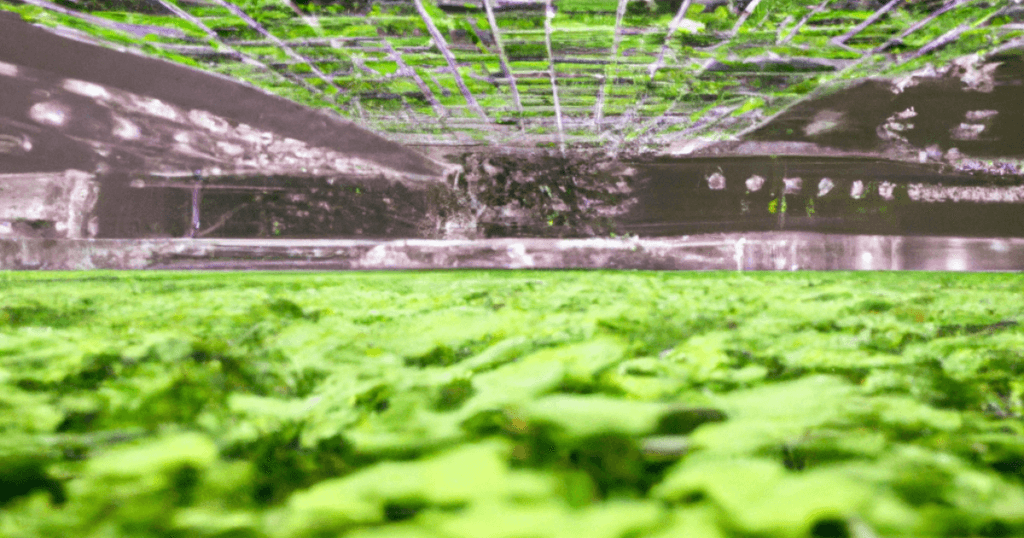
Imagine harvesting crisp lettuce, fragrant basil, or juicy tomatoes from your living room, no garden required! Indoor hydroponics enables anyone to grow fresh, healthy food at home—even without outdoor space or fertile soil.
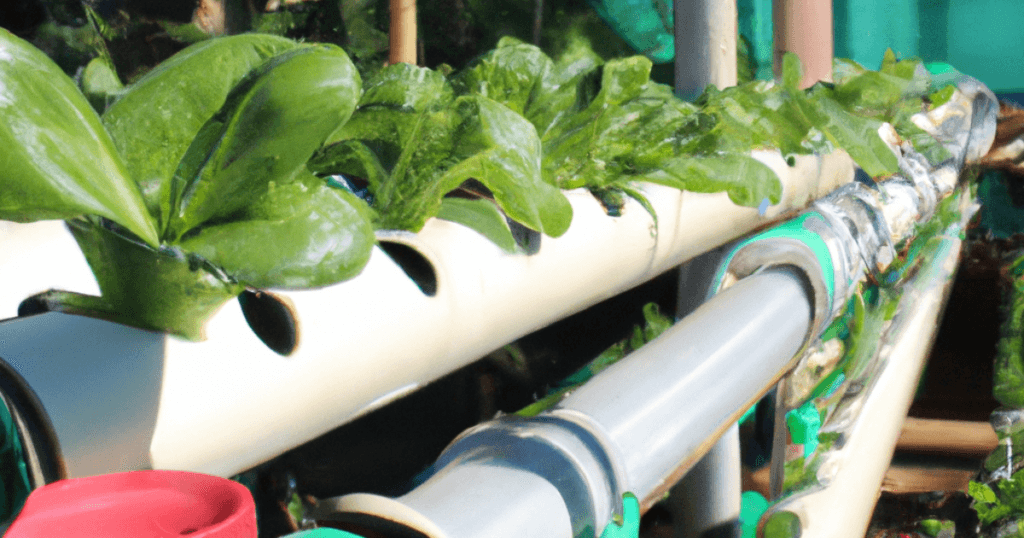
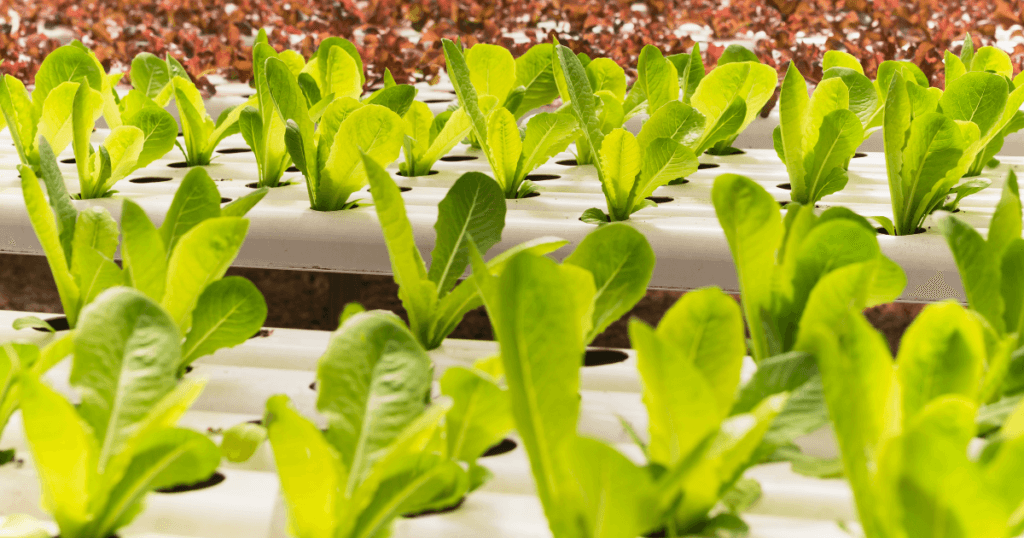
Hydroponics is a method of growing plants using water, nutrients, and a support medium instead of soil. Unlike traditional gardening, hydroponics delivers nutrients directly to roots, resulting in faster growth and healthier plants. As a beginner, you’ll find indoor hydroponics attractive because it’s space-efficient, less messy, and allows complete control over your plants’ environment.
This guide walks you through everything you need to get started: hydroponic benefits, must-have equipment, beginner-friendly system options, setup instructions, plant recommendations, maintenance tips, and common mistakes to avoid. Let’s dig in!
Benefits of Indoor Hydroponics
- Faster Plant Growth: Hydroponic plants can grow up to 50% faster than those in soil, thanks to direct access to essential nutrients.
- Year-Round Food Production: Indoor setups let you grow crops in any season, regardless of outdoor weather or climate.
- Space & Water Efficiency: Hydroponic systems use up to 90% less water and fit on countertops, shelves, or in small apartments.
- Pest & Pesticide Control: Growing indoors means fewer pests and the potential to avoid harsh chemicals for cleaner, safer produce.
- Fully Controlled Environment: You manage temperature, humidity, and light, optimizing growth and flavor.
Essential Equipment and Supplies
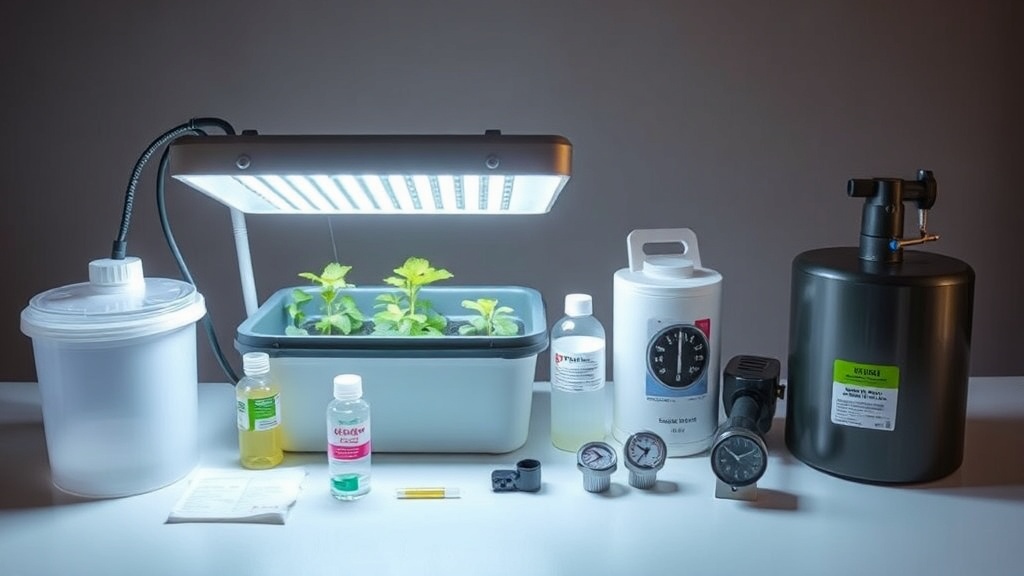
Starting your indoor hydroponics journey is easier with the right gear. Here’s what you’ll need to assemble your first system:
- Hydroponic System: Choose a beginner-friendly kit or DIY setup (see below for options).
- Grow Lights: Essential for indoor gardening unless you have abundant sunlight. See our LED grow light recommendations.
- Growing Medium: Options include rockwool, coco coir, clay pebbles, or perlite—these support roots instead of soil.
- Water Pump & Air Pump: Needed for circulating nutrients and oxygenating water (depending on system type).
- Timers: Automate lights and pumps for consistent plant care.
- pH & EC Testing Kits: Ensure your water and nutrients are perfectly balanced.
- Nutrients: Plants need a hydroponic nutrient mix—these deliver all essential minerals.
We recommend exploring trusted brands and starter kits, many of which bundle the basics for you. Look for user-friendly systems with clear instructions (see affiliate block above for suggestions).
Types of Hydroponic Systems for Beginners
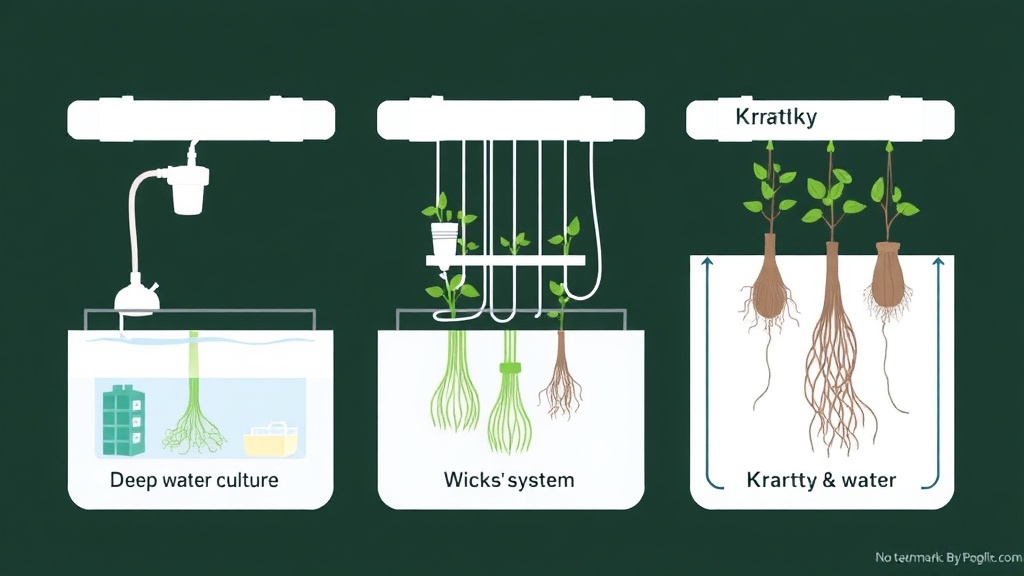
Not all hydroponic systems are the same. These three models are easy and affordable for first-timers:
- Deep Water Culture (DWC): Plants are suspended over a nutrient solution with an air pump providing oxygen. Pros: Simple; minimal parts. Cons: Requires electricity for air pump.
- Wick System: Passively wicks nutrients to the roots through a material like cotton. Pros: No pumps or electricity needed. Cons: Slower growth; best for leafy greens.
- Kratky Method: Truly off-grid! You suspend plants in a container over water; as the water drops, roots grow deeper. Pros: No pumps, minimal monitoring. Cons: Works best for small, fast-growing crops.
| System | Ease of Use | Cost Estimate | Space Required |
|---|---|---|---|
| DWC | Easy | $50–$150 | Small shelf or table |
| Wick | Very Easy | $20–$80 | Countertop or window sill |
| Kratky | Very Easy | $15–$50 | Countertop |
Want to compare hydroponics to traditional gardening? Read: Indoor Hydroponics vs. Soil Growing.
Step-by-Step Setup Guide
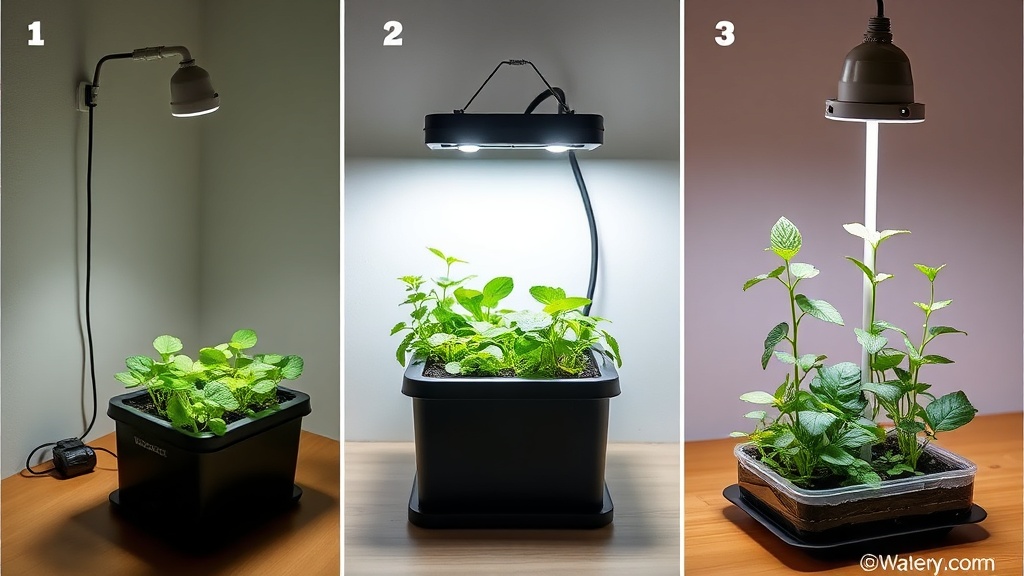
Ready to plant your first indoor hydroponic garden? Follow this simplified process for success!
- Select Your Location: Choose a spot indoors with a stable temperature (60–80°F), access to electricity (for lights/pumps), and minimal direct sunlight if using grow lights.
Assembling Your Equipment
- Put together your chosen hydroponic system per included instructions.
- Install grow lights above your growing area, ensuring even coverage.
- Set up water reservoir and install necessary pumps/timers for circulation and lighting.
Preparing Growing Medium and Planting
- Select a growing medium suited to beginners (rockwool or clay pebbles are popular).
- Start seeds in the medium or transplant healthy seedlings for faster results.
Starting Your First Hydroponic Cycle
- Mix hydroponic nutrients according to package directions. For more detail, see Hydroponic Nutrient Solutions 101.
- Test and adjust pH (aim for 5.5–6.5 for most vegetables).
- Fill reservoir to the recommended level and ensure pumps/lights are set on a timer.
Get started with confidence! Download our free Indoor Hydroponics Starter Checklist—everything you need for your first setup is inside!
Best Plants for Hydroponic Beginners
Some crops are easier than others for new hydroponic gardeners. Start with these reliable performers:
- Lettuce (Romaine, Butterhead): Fast germination and harvest—ready in 30 days!
- Basil & Other Herbs: Basil, mint, cilantro, and oregano thrive in small systems.
- Spinach: Grows quickly and enjoys cooler temps.
- Swiss Chard, Kale, Arugula: Resilient leafy greens that prosper indoors.
For a quick win, start with leafy greens and herbs—the most forgiving crops. Tomatoes, peppers, and cucumbers can be grown hydroponically too, but may need more experience and space. Use seeds labeled for hydroponics or healthy, disease-free seedlings from reputable suppliers.
Common Mistakes and How to Avoid Them
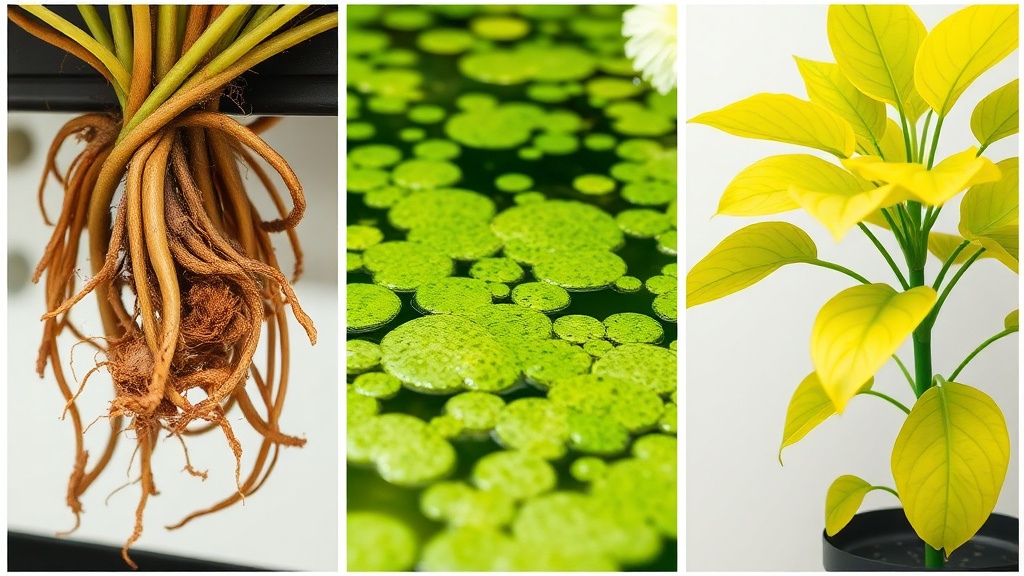
By knowing these frequent pitfalls, you’ll give your hydroponic garden a strong head start:
- Overwatering or Underwatering: Monitor water levels and don’t let roots dry out or drown.
- Incorrect Nutrient Mixing: Always measure and mix nutrients precisely—more isn’t always better.
- Inadequate Lighting: Insufficient or excessive light can stunt growth or stress plants. Follow crop-specific guidelines.
- Ignoring pH and Water Quality: Test water regularly and keep pH in the target range (5.5–6.5 for most crops).
Pro tip: Keep a growing journal to note issues, adjustments, and successes!
Maintenance Tips and Troubleshooting
- Daily: Check leaves, monitor water/nutrient levels, and confirm timers are working.
- Weekly: Test and adjust pH, clean up debris, and inspect for pests or diseases.
- Monthly: Flush the system with fresh water, clean the reservoir, and sanitize equipment.
- Common Problems:
- Algae: Prevent by blocking light from the water.
- Root rot: Ensure adequate oxygen and avoid stagnant water.
- Harvest and Cleaning: Harvest crops at peak maturity for best flavor. After harvesting, fully clean the system before starting a new cycle.
- Tip: Each crop cycle is a learning experience! Try new crops and tweak your system for even better results.
Conclusion & Next Steps
Congratulations on making it this far! You now have a clear roadmap for starting indoor hydroponics—no green thumb required. Remember, start small and expand as you gain comfort and confidence. Don’t forget to download your free indoor hydroponics starter checklist to fast-track your first setup.
Explore more advanced topics with our in-depth guides on hydroponic nutrients, high-yield crops, and troubleshooting. Ready to grow? Indoor hydroponics is a rewarding way to eat fresher and reduce your food footprint—all year long.